Attorney Samantha Chorny defends clients facing felony, violent, and federal charges across New York with aggressive, strategic defense focused on protecting your freedom and future.
Attorney Samantha Chorny defends clients facing felony, violent, and federal charges across New York with aggressive, strategic defense focused on protecting your freedom and future.




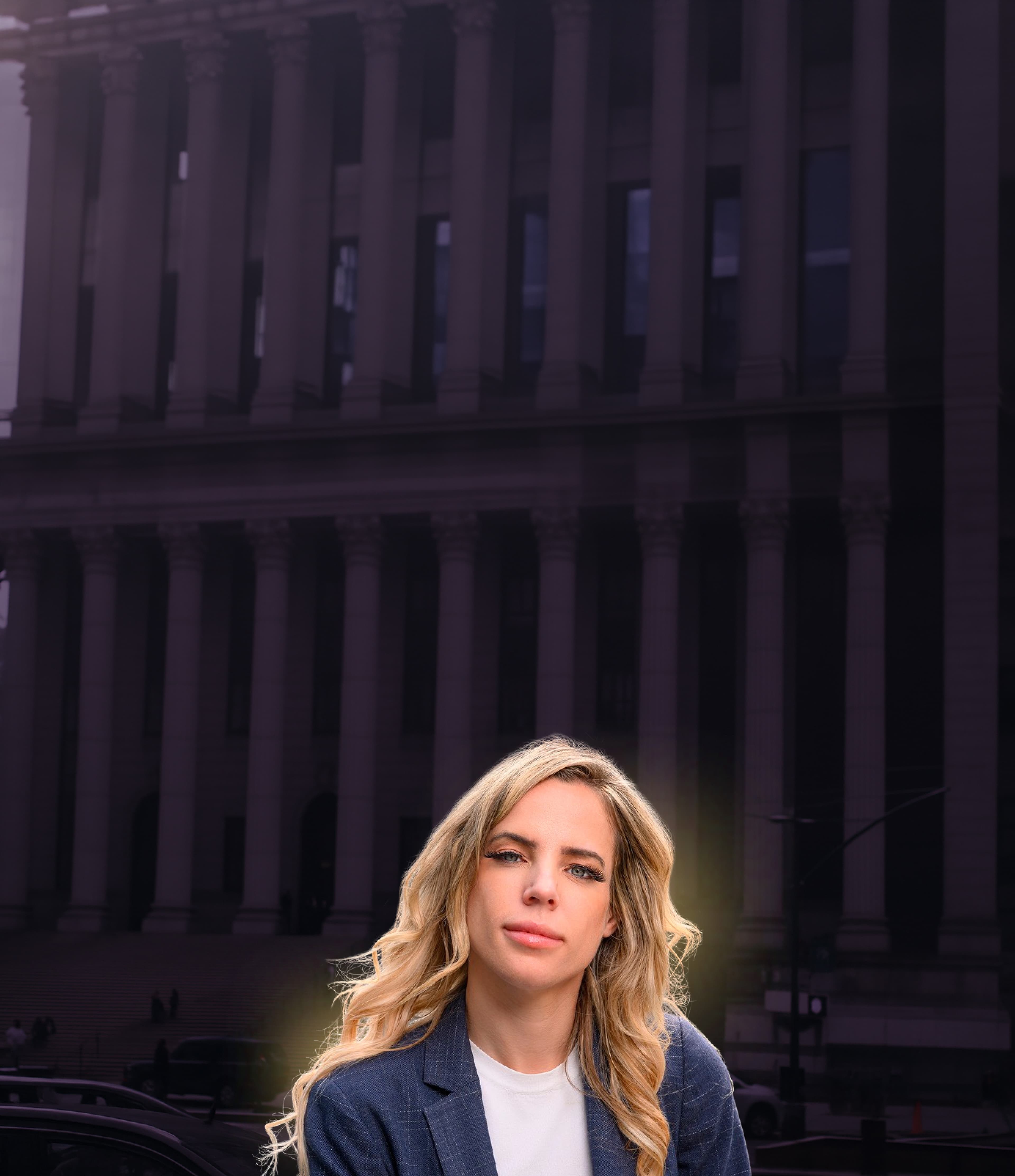
We secured a NOT GUILTY on Murder and 2 Gun Charges at trial in August 2024.







SMC Law Firm focuses exclusively on criminal defense and criminal appeals. Samantha Chorny has brought multiple murder trials to verdict and secured full acquittals in the most serious felony cases. Every case is handled directly and strategically, with a focus on protecting clients' freedom, future, and reputation.

Won refusal hearing and client revoked licensed was restored back to full driving privileges
Successful stay of execution of judgment secured for client seeking criminal appeal of former conviction, 2024
Got the Judge to lower the bail by 50% on A1 drug felony charges in NY county, 2023
Achieved cross dismissal on very first court date, 2023
Full dismissal of all petit larceny charges at first court appearance, 2023
Full Dismissal of misdemeanor charges before arraignment, 2023
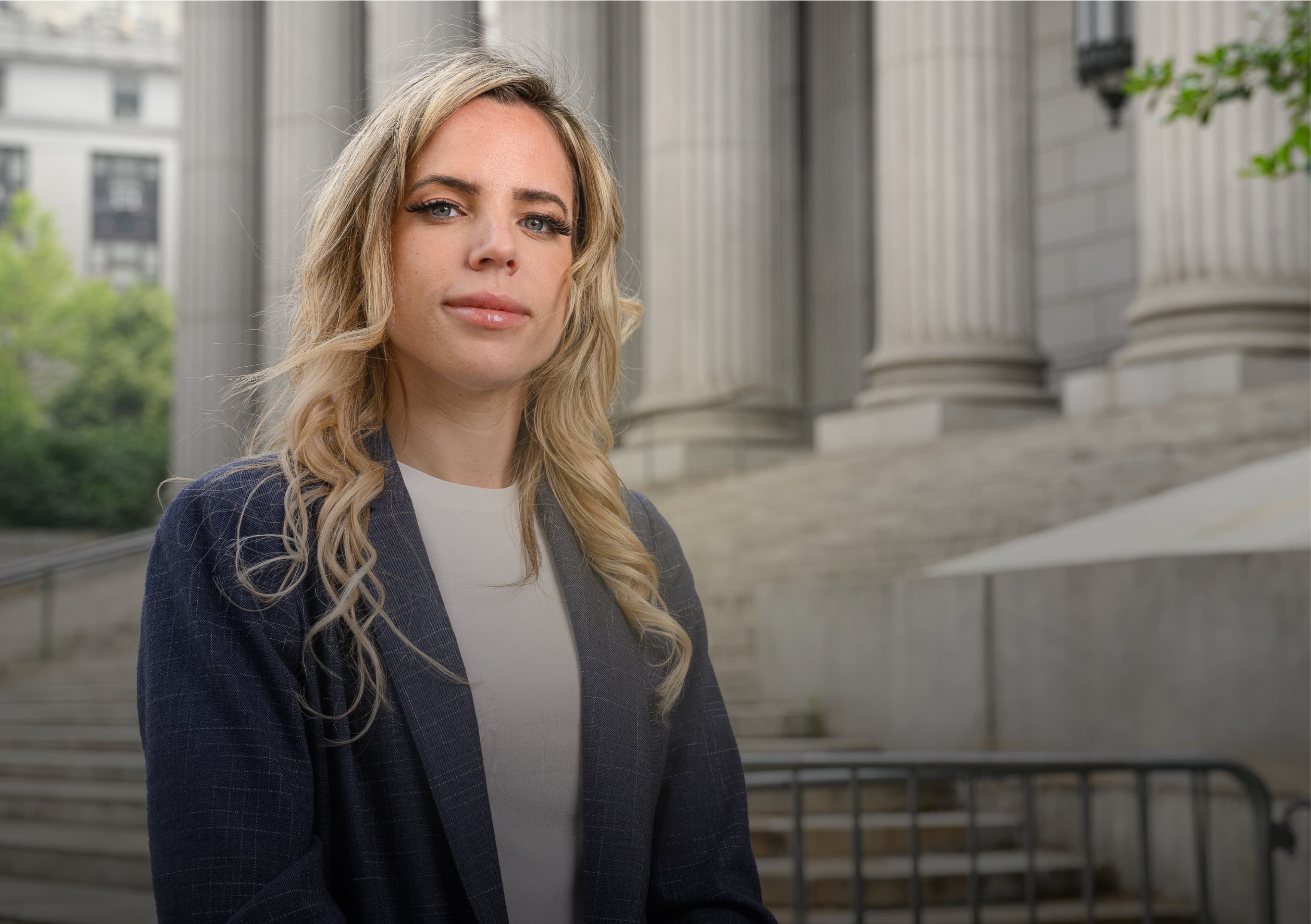
“Samantha’s expertise turned a frightening situation into a manageable one, achieving a better outcome than I had hoped.”
Driven to get results, SMC Law Firm takes an aggressive approach. Lead attorney Samantha Chorny is never afraid to go to court, and has recently brought three back-to-back murder trials to verdict in New York – a rare feat for a criminal defense lawyer. She will diligently investigate every aspect of your case to build a bold strategy designed to protect your freedom and keep you out of jail.
Whether you are facing a federal or state crime, she has the experience and knowledge to effectively represent you. Samantha understands the intricacies of laws involving conspiracy charges, illegal possession of weapons charges, drug crimes, narcotics, sex crimes, DWI/DUI offenses, domestic violence charges, and other serious crimes in New York.
Criminal law is her passion, and she solely focuses her practice on it. Her top priority is always the interests of her clients.
Standing Up for Clients in New York, Long Island and All Five New York City Boroughs

Being charged with a crime can be a terrifying and overwhelming experience. You may not know what to do or who to turn to. The attorney at SMC Law Firm understands that you are going through a difficult time, and she is here to help.
Samantha Chorny is a former prosecutor with years of experience in criminal law. She has a deep understanding of the criminal justice system and the specific charges you are facing. She will fight for your rights and protect your future. To achieve this, though, you must deal with the insurance companies and prove your case against the lawyers representing the defendant, all while recovering from the accident.

Samantha Chorny personally features in Accused: Guilty or Innocent? Season 8, Episode 5.
Aug, 13 2026

Brooklyn District Attorney Eric Gonzalez today announced that a Flatlands man has been arraigned on an indictment in which he is charged with murder, attempted murder, assault and other charges for the shooting death of one man and injuring another man during a backyard barbecue in East Flatbush last May.
May, 30 2024

Queens District Attorney Melinda Katz announced today that Michael Brown, 37, has been indicted by a Queens grand jury, charging him with murder and other crimes in the fatal shooting of a 34-year-old man. The defendant allegedly shot the victim from a passing vehicle in St. Albans in September 2018. District Attorney Katz said, "Securing this indictment demonstrates exactly why I formed the QDA Cold Case Unit. We will work tirelessly to bring closure to grieving families and assure them they are not forgotten."
Oct, 9 2021

In widely watched cases such as this, it is common for the judge to establish measures to maintain juror privacy even after the trial ends, Samantha Chorny, a criminal defense attorney in New York City, told McClatchy News.
May, 29 2024
Contact us to schedule a free consultation.
Answers to Your Most Common Questions
Remain calm and exercise your right to remain silent. Do not answer questions or make statements to police without a lawyer present. Anything you say can be used against you. Contact a criminal defense attorney immediately so they can protect your rights and begin building your defense from the earliest stage.
Yes. Criminal charges can be dismissed for many reasons, including lack of evidence, constitutional violations, illegal searches, procedural errors, or speedy trial violations. An experienced criminal defense attorney can identify weaknesses in the prosecution’s case and pursue dismissal whenever possible.
Criminal cases can take anywhere from a few weeks to over a year, depending on the charges, court scheduling, motion practice, and whether the case resolves through dismissal, plea, or trial.
Your first appearance is called an arraignment. The judge will read the charges, determine bail or release conditions, and set future court dates. Having a criminal defense lawyer present is critical to protect your liberty and begin your defense immediately.
Not necessarily. Many first-time offenses result in non-jail outcomes such as dismissal, reduction, probation, fines, or an Adjournment in Contemplation of Dismissal (ACD). The outcome depends on the charges, facts of the case, and the strength of the defense strategy.
Legal fees vary depending on the seriousness and complexity of the case. Misdemeanor cases typically cost less than felony or federal cases. Most criminal defense attorneys offer consultations and flexible payment structures depending on the circumstances.
Yes, in many cases. Options such as dismissals, ACDs, reductions to non-criminal violations, and sealing may allow you to avoid or minimize a permanent criminal record.
Yes. Even misdemeanor convictions can result in jail time, fines, probation, and a permanent criminal record. A defense lawyer can often get charges reduced, dismissed, or resolved in a way that protects your future.
You will be processed, fingerprinted, and brought before a judge for arraignment. The judge will determine release conditions and schedule future court dates. A criminal defense lawyer can begin challenging the charges immediately.
Yes. Many felony cases are negotiated down to misdemeanor charges depending on the facts, evidence, and defense strategy. Early and aggressive representation greatly improves these chances.
Felony penalties vary widely and may include probation, fines, or prison. However, many felony cases can be resolved without incarceration depending on the facts and defense.
Depending on the charges, the judge may release you on your own recognizance, set bail, or impose non-monetary conditions. Bail laws in New York have changed significantly, and many charges are now non-bail eligible.
Your license may be suspended at arraignment and could later be revoked depending on the outcome. However, many drivers are eligible for conditional licenses that allow them to continue driving legally.
Immediately. The earlier a lawyer becomes involved, the more opportunities there are to protect your rights, preserve evidence, and pursue dismissal or reduction of charges.
Yes. Cases can be dismissed through motion practice, lack of evidence, constitutional violations, or negotiation. Many cases resolve favorably before ever reaching trial.
Yes. Many cases qualify for sealing after dismissal or after a waiting period following conviction. Sealing prevents most employers and the public from seeing your record.
Federal cases are prosecuted by the U.S. Attorney’s Office and typically involve more extensive investigations and potentially more severe penalties. Federal procedures and sentencing guidelines differ significantly from state court.
Possibly. Federal agents typically do not contact individuals without reason. You should assume you may be under investigation and consult an attorney immediately.
Yes. Federal cases can be dismissed or resolved favorably depending on the evidence, legal issues, and defense strategy. Early intervention by experienced counsel is critical.
A federal grand jury reviews evidence to determine whether charges should be filed. If you believe you are involved in a grand jury investigation, you should contact a lawyer immediately.
Do not speak with them without a lawyer present. Even innocent statements can be used against you. Politely decline to answer questions and contact a federal defense attorney immediately.
You will appear before a federal judge, who will determine whether you are released on bail or detained. The case will then proceed through federal court, which involves strict procedures and deadlines.
Yes. Many defendants are released on bond or conditions. The court considers factors such as risk of flight and danger to the community.
Yes. You should never speak with federal agents without a lawyer present. This is critical to protect your rights and avoid self-incrimination.
In some cases, yes. A court may grant bail pending appeal depending on the circumstances.
A CPL 440 motion is a post-conviction motion used to challenge a conviction based on issues outside the trial record, such as ineffective assistance of counsel or newly discovered evidence.
Yes. Convictions can be overturned through appeals, CPL 440 motions, or other post-conviction relief depending on the circumstances.
Yes. Newly discovered evidence can be grounds to reopen or overturn a conviction.
Yes. You have the right to appeal your conviction and challenge legal errors that occurred during your case.
Generally, you must file a notice of appeal within 30 days of sentencing. It is critical to act quickly to preserve your rights.
A direct appeal challenges errors in the trial record, while a CPL 440 motion raises issues outside the record, such as ineffective assistance or new evidence.
You may be able to challenge your conviction through a CPL 440 motion based on ineffective assistance of counsel.